What Eye Doctors Look for During a Comprehensive Eye Exam
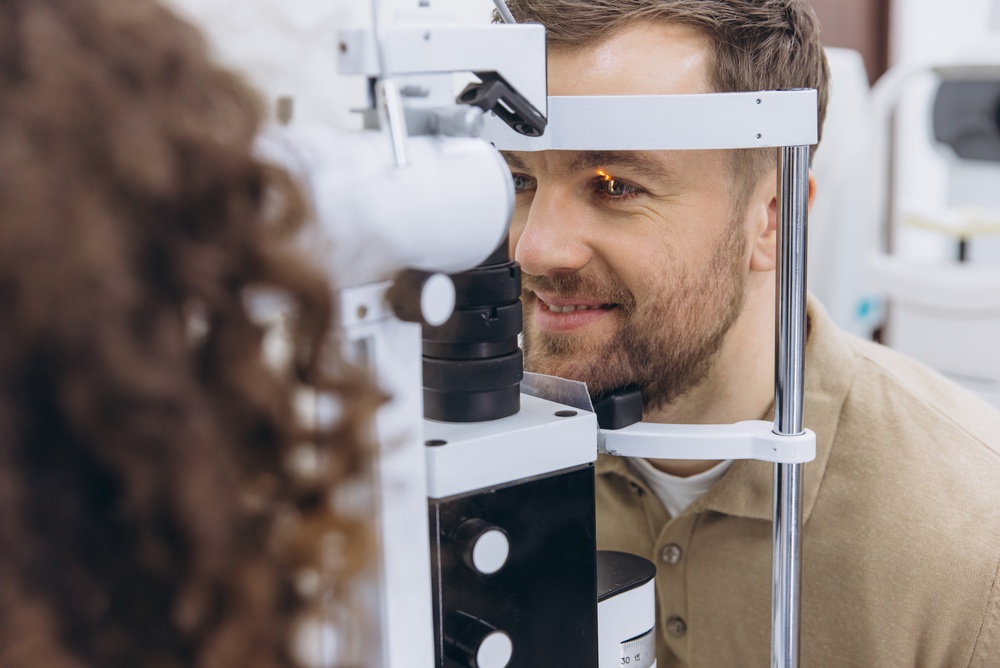
A comprehensive eye exam is about more than updating a glasses or contact lens prescription. While clear vision is important, our eye doctors also evaluate how well your eyes work together, how healthy the internal and external structures of the eyes are, and whether there are early signs of conditions that may affect your long-term vision.
At Morris Eye Associates, we use comprehensive eye exams to help patients in Mendham, NJ understand their eye health and stay proactive about their care.
Visual Clarity and Prescription Changes
One of the first things we assess is how clearly you can see at different distances. This helps us determine whether you have nearsightedness, farsightedness, astigmatism, or age-related near vision changes.
We also look for prescription changes that may explain symptoms such as blurred vision, squinting, headaches, or difficulty seeing at night. Even small changes can affect comfort, especially for patients who spend long hours reading, driving, or using digital screens.
Eye Teaming and Focusing Ability
Clear vision depends on more than each eye seeing well on its own. During a comprehensive eye exam, we also evaluate how your eyes focus and work together. Problems with eye teaming or focusing can contribute to eye strain, fatigue, double vision, or trouble maintaining attention during near work.
This part of the exam is especially important for children, students, and adults who experience discomfort during reading or screen use.
Eye Pressure and Glaucoma Risk
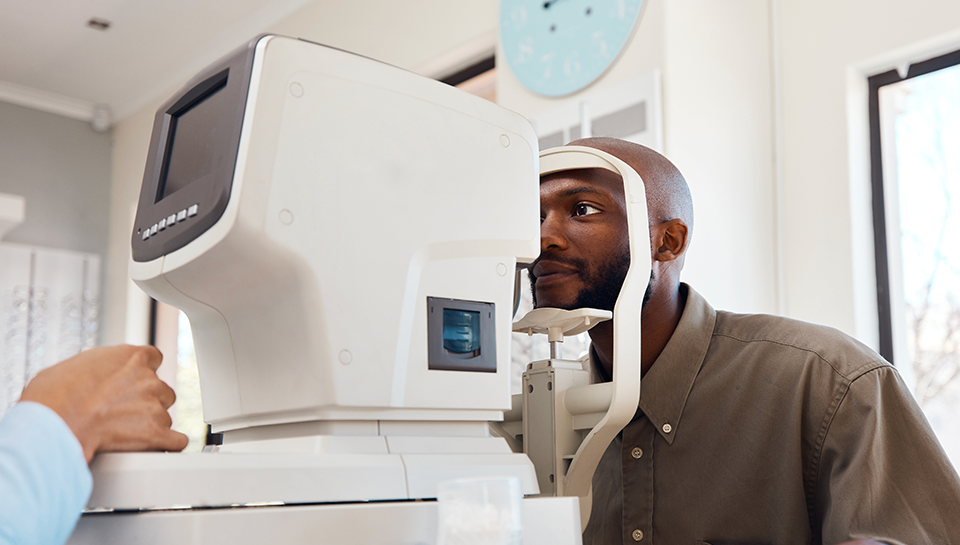
Eye pressure testing helps us screen for glaucoma, a condition that can damage the optic nerve and lead to permanent vision loss. Because glaucoma often develops without noticeable symptoms in the early stages, routine eye exams are one of the best ways to detect risk factors before vision is affected.
We may also evaluate the optic nerve and recommend additional testing when needed based on your eye pressure, family history, age, or other findings.
Retinal and Internal Eye Health
The retina, blood vessels, macula, and optic nerve can reveal important information about your eye health and overall wellness. During the exam, we look for signs of conditions that may require monitoring or treatment, including:
- Diabetic eye disease
- Macular degeneration
- Cataracts
- Retinal changes or thinning
- Signs of inflammation or eye disease
- Optic nerve changes
Early detection allows us to recommend the right next steps, whether that means monitoring, treatment, referral, or co-management with another healthcare provider.
Dry Eye and Ocular Surface Health
Your eye comfort matters, too. We examine the front surface of the eyes, eyelids, tear film, and meibomian glands to look for signs of dry eye or ocular surface irritation. Dry eye can cause burning, watering, redness, fluctuating vision, and contact lens discomfort.
If we identify dry eye concerns, we can discuss treatment options that support healthier tears and improve daily comfort.
Why Routine Exams Matter
Many eye conditions develop gradually, which means you may not notice changes until they become more advanced. A comprehensive eye exam gives us the opportunity to detect concerns early, update your vision correction, and create a care plan based on your needs.
To schedule a comprehensive eye exam with Morris Eye Associates in Mendham, NJ, contact our office at 106B East Main St., Mendham, NJ 07945 by calling (862) 222-3800.


Contact Info
Phone: (862) 222-3800
Email: info@morriseyeassociates.com
Hours of Operation
- Monday 8:00am - 4:00pm
- Tuesday 9:00am - 5:00pm
- Wednesday 9:00am - 5:00pm
- Thursday 10:00am - 6:00pm
- Friday 8:00am - 4:00pm
- Saturday 8:00am - 3:00pm
- Sunday Closed
© 2026 Morris Eye Associates. All rights Reserved. Accessibility Statement - Privacy Policy - Sitemap
Powered by:
