

Is Your Child’s Summer Screen Time Worsening Myopia? What Mendham Parents Should Know Before School Starts
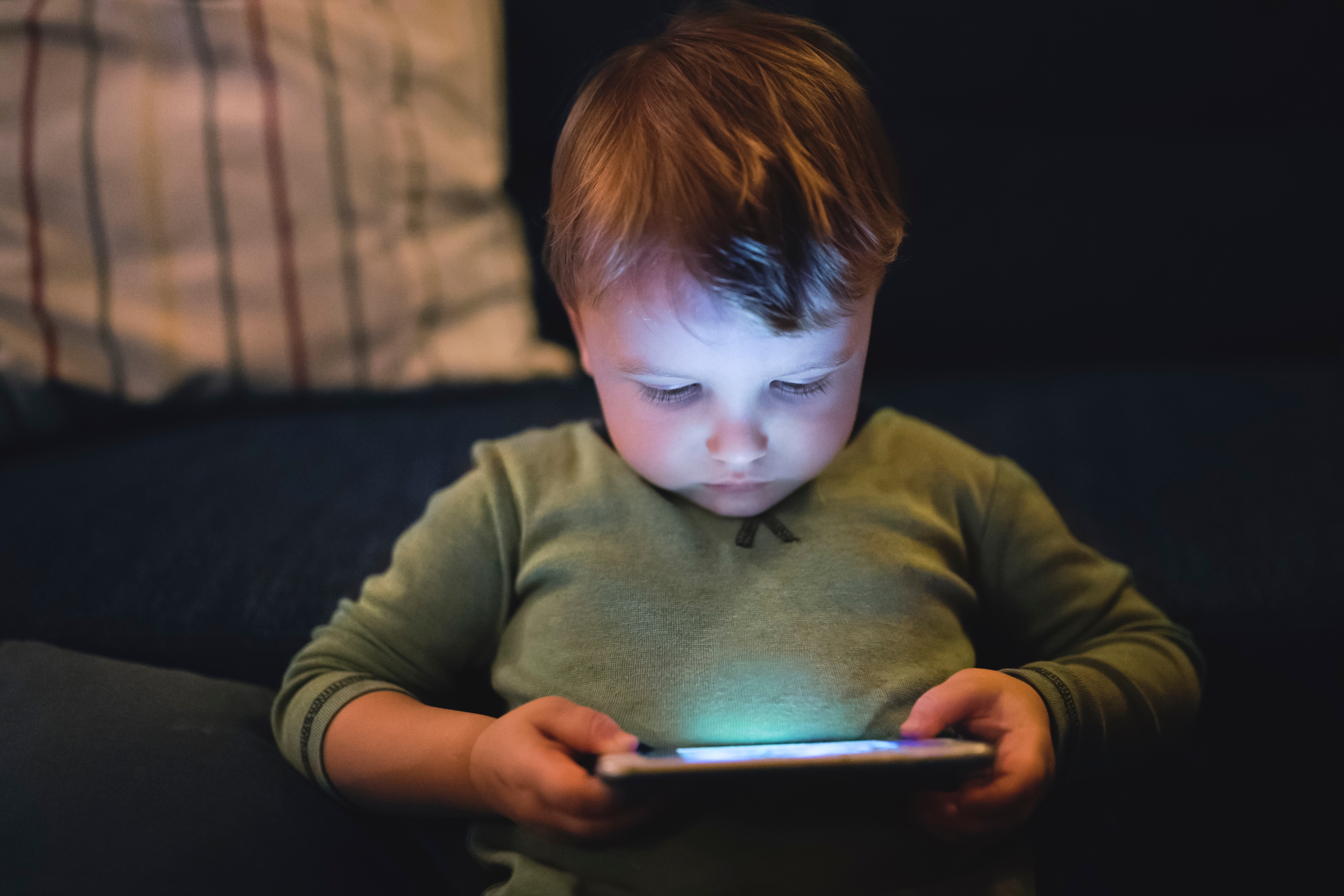
Summer break often means more free time, more flexibility, and for many kids, more screen time. Between tablets, phones, gaming, streaming, and summer schoolwork, children in Mendham may spend hours focusing up close each day. While screens are not the only reason a child becomes nearsighted, long periods of near work and less outdoor time can play a role in myopia progression.
At Morris Eye Associates in Mendham, NJ, myopia management helps parents understand why their child’s prescription may be getting stronger and what options may help slow it down. If your child’s glasses seem to change every year, summer is a smart time to schedule an eye exam before school starts.
What Is Myopia?
Myopia, also called nearsightedness, makes distant objects look blurry while close-up objects are easier to see. Children with myopia may have trouble seeing the board at school, road signs, sports fields, or presentations from across the room.
Myopia often develops when the eye grows too long from front to back. This causes light to focus in front of the retina instead of directly on it. Glasses and standard contact lenses can improve clear vision, but they do not always address the underlying progression of myopia.
Why Summer Screen Time Matters
During the school year, routines may help limit device use. In the summer, screen time can increase quickly, especially during hot days, rainy afternoons, travel, or downtime at home. Long stretches of close-up focus can make the eyes work harder and may contribute to visual fatigue.
For Mendham parents, the goal does not have to be eliminating screens completely. The goal is to balance screen use with healthier visual habits, outdoor time, and regular eye care. This is especially important if your child already has myopia or if nearsightedness runs in your family.
Signs Your Child’s Vision May Be Changing
Children do not always know how to explain vision changes. Some may assume blurry distance vision is normal, while others may compensate by moving closer or squinting. Watch for signs such as:
- Squinting to see far away
- Sitting close to the TV or holding devices close
- Complaining of headaches or tired eyes
- Trouble seeing the board at school
- Avoiding sports or distance-based activities
- Rubbing eyes after reading or screen use
- Needing a stronger prescription each year
- Blurry vision when looking up from near work
If you notice these symptoms, a comprehensive eye exam can help determine whether your child’s myopia is progressing.
Why Myopia Progression Should Not Be Ignored
Myopia is more than a need for stronger glasses. As myopia increases, the eye may face a higher lifetime risk of certain eye health concerns, including retinal problems, glaucoma, cataracts, and myopic macular changes. Not every child with myopia will develop these issues, but higher prescriptions can increase risk over time.
That is why early monitoring matters. Slowing myopia progression during childhood may help reduce how high the prescription becomes as your child grows.
What Actually Helps Slow Myopia?
Myopia management uses specific treatments designed to slow worsening nearsightedness. The right option depends on your child’s age, prescription, eye health, lifestyle, and how quickly their vision is changing.
Treatment options may include specialty contact lenses, orthokeratology, also called Ortho-K, multifocal soft contacts, prescription eye drops, or other lens designs made for myopia control. Ortho-K lenses are worn overnight to gently reshape the cornea, allowing many children to see more clearly during the day without glasses or daytime contacts.
At Morris Eye Associates in Mendham, myopia management starts with a detailed exam and personalized recommendations. Your optometrist can explain which options may fit your child’s needs and what follow-up care may involve.
Building Healthier Habits Before School Starts
Summer is a good time to reset screen habits before the school year begins. Encourage your child to take regular breaks, keep screens at a comfortable distance, use good lighting, and spend more time outdoors. The 20-20-20 rule can also help - every 20 minutes, have your child look at something about 20 feet away for 20 seconds.
Outdoor play, sports, walks, and distance-based activities give the eyes a break from constant close-up focus. These habits work best when paired with professional monitoring, especially if your child’s prescription is changing.
Why A Back-To-School Eye Exam Matters
A school vision screening is not the same as a comprehensive eye exam. Screenings may catch some cases of blurry distance vision, but they can miss focusing concerns, eye teaming issues, and early prescription changes.
For families in Mendham, scheduling an eye exam before school starts can help your child return to class with clearer, more comfortable vision. If myopia is progressing, your optometrist can discuss a treatment plan designed to help protect your child’s long-term eye health.
Schedule your child’s myopia evaluation with Morris Eye Associates, located at 106B East Main St., Mendham, NJ 07945. Call (862) 222-3800 to book your appointment.


Contact Info
Phone: (862) 222-3800
Email: info@morriseyeassociates.com
Hours of Operation
- Monday 8:00am - 4:00pm
- Tuesday 9:00am - 5:00pm
- Wednesday 9:00am - 5:00pm
- Thursday 10:00am - 6:00pm
- Friday 8:00am - 4:00pm
- Saturday 8:00am - 3:00pm
- Sunday Closed
© 2026 Morris Eye Associates. All rights Reserved. Accessibility Statement - Privacy Policy - Sitemap
Powered by:
