

Is OptiLight IPL Right for You? Who Benefits Most from This Treatment
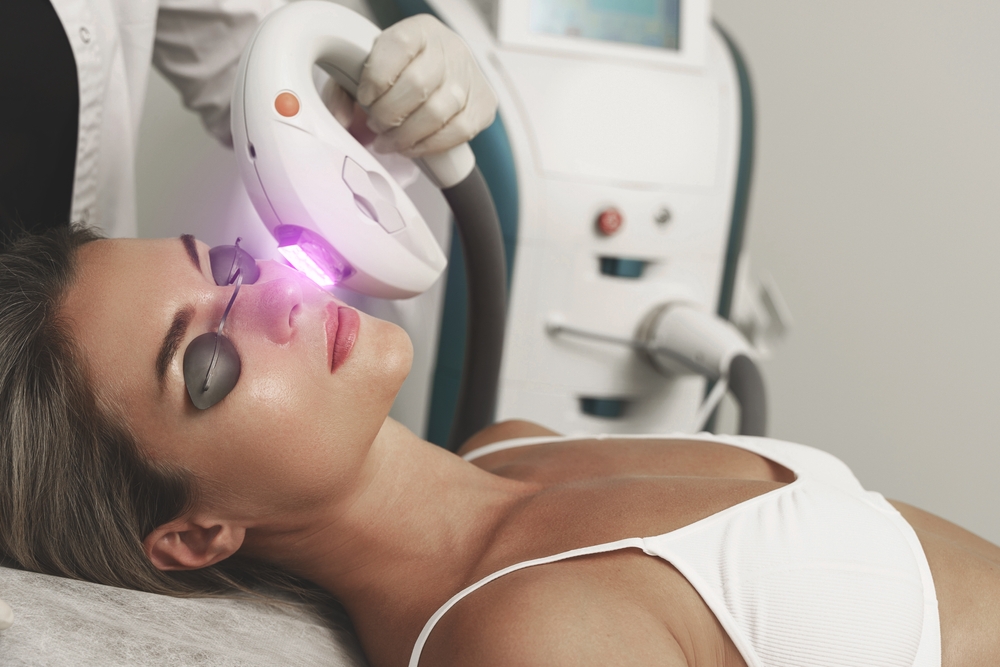
Dry eye disease is more than just an occasional inconvenience. For many people, it is a chronic condition that affects comfort, vision quality, and daily life. If you have tried artificial tears, warm compresses, or prescription eye drops with limited relief, you may be wondering whether newer treatments can help. One advanced option is OptiLight Intense Pulsed Light (IPL) therapy. Understanding how the treatment works and who benefits most can help you decide whether it’s a good next step in your dry eye care.
What Is OptiLight IPL?
OptiLight IPL is an FDA-approved light-based treatment designed to address the underlying causes of dry eye disease, particularly when it is linked to meibomian gland dysfunction (MGD). The meibomian glands, located along the eyelid margins, produce oils that prevent tears from evaporating too quickly. When these glands become blocked or inflamed, tears evaporate faster, leading to dryness, burning, and irritation.
OptiLight uses controlled pulses of light applied to the skin around the eyes. This light energy helps reduce inflammation, improves blood vessel abnormalities that contribute to dry eye, and supports healthier function of the meibomian glands. Over a series of treatments, many patients experience more stable tears and lasting symptom relief. While OptiLight IPL is not a one-size-fits-all solution, it can be highly effective for the right candidates.
Patients with Meibomian Gland Dysfunction (MGD)
OptiLight IPL is especially effective for patients whose dry eye is caused by MGD. Symptoms may include burning, gritty sensations, fluctuating vision, redness, or eyelid inflammation. If your eye doctor has told you that your oil glands are blocked or not functioning properly, IPL may help restore healthier gland activity.
People with Chronic or Moderate-to-Severe Dry Eye
If your dry eye symptoms persist despite using artificial tears, prescription drops, or lid hygiene routines, IPL may provide relief where other treatments have fallen short. OptiLight targets inflammation and gland dysfunction at the source, rather than only treating surface symptoms.
Patients with Rosacea-Related Dry Eye
Facial rosacea and ocular rosacea are common contributors to chronic dry eye. The abnormal blood vessels associated with rosacea release inflammatory substances that worsen eyelid and eye surface irritation. OptiLight IPL helps reduce these abnormal vessels, making it a strong option for patients with rosacea-related eye symptoms.
Contact Lens Wearers with Dryness
Some contact lens wearers experience discomfort, dryness, or reduced wearing time due to tear film instability. By improving tear quality and reducing inflammation, IPL may help make contact lens wear more comfortable for certain patients.
Patients Looking for a Non-Drug, Long-Term Solution
OptiLight IPL is a non-invasive, drug-free treatment. Many patients appreciate that it addresses dry eye without daily medications and offers longer-lasting relief after a completed treatment series. While maintenance treatments may be recommended, IPL can significantly reduce dependence on frequent eye drops.
Discover If OptiLight IPL Is Right for You
If dry eye symptoms are affecting your comfort, vision, or quality of life, OptiLight IPL may offer a meaningful solution. By treating the underlying causes rather than just the symptoms, IPL can help many patients achieve more consistent and lasting relief.
If you’re struggling with dry eye and want to explore advanced treatment options, schedule a dry eye evaluation at Morris Eye Associates to learn if OptiLight IPL is right for you. Visit our office in Mendham, New Jersey, or call (862) 222-3800 to book an appointment today.


Contact Info
Phone: (862) 222-3800
Email: info@morriseyeassociates.com
Hours of Operation
- Monday 8:00am - 4:00pm
- Tuesday 9:00am - 5:00pm
- Wednesday 9:00am - 5:00pm
- Thursday 10:00am - 6:00pm
- Friday 8:00am - 4:00pm
- Saturday 8:00am - 3:00pm
- Sunday Closed
© 2026 Morris Eye Associates. All rights Reserved. Accessibility Statement - Privacy Policy - Sitemap
Powered by:
