

Glaucoma Eye Exams: Why Ongoing Monitoring Matters
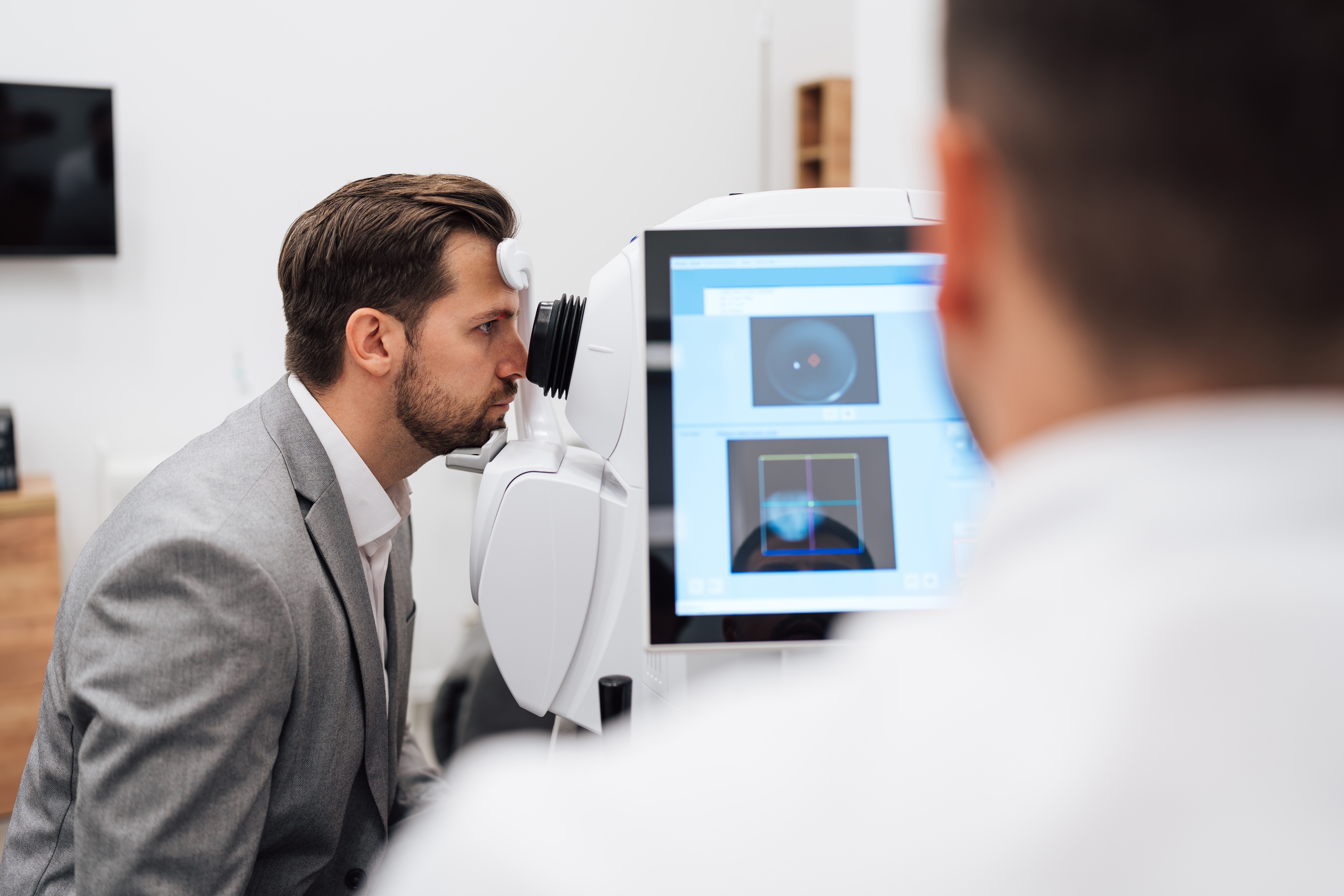
Glaucoma can develop quietly. In many cases, patients do not notice pain, blurred vision, or other obvious symptoms during the early stages. Meanwhile, changes affecting the optic nerve may continue progressing. That is why regular eye exams and consistent follow-up are so important for patients with glaucoma or an increased risk of developing it.
At Morris Eye Associates in Mendham, we provide comprehensive eye care designed to identify changes that may require closer monitoring, treatment, or additional evaluation.
Why Is Glaucoma Easy to Miss?
Glaucoma refers to a group of eye diseases that damage the optic nerve, which carries visual information from the eye to the brain. The most common forms often progress gradually and may first affect peripheral, or side, vision.
Because central vision can remain clear during the earlier stages, you may continue reading, driving, and completing daily activities without realizing that vision is changing.
Vision already lost from glaucoma generally cannot be restored. Ongoing monitoring allows your eye doctor to look for progression before relying on noticeable symptoms as a warning sign.
What Does Glaucoma Monitoring Look For?
A glaucoma evaluation considers multiple parts of your eye health rather than relying on a single measurement.
Depending on your individual situation, ongoing monitoring may involve:
Measuring pressure inside the eyes
Examining the appearance and health of the optic nerves
Checking peripheral vision for changes
Comparing current findings with previous examinations
Performing additional imaging or testing when clinically appropriate
Eye pressure is an important part of glaucoma care, but it does not provide the complete picture. Some patients develop glaucoma even when their pressure falls within a statistically normal range.
Why Are Repeat Eye Exams So Important?
One examination provides information about your eyes at a specific point in time. Follow-up visits allow your eye doctor to compare results and determine whether findings remain stable or are changing.
For Mendham patients who have glaucoma or suspicious optic nerve findings, this comparison can be especially valuable. A subtle change may not affect everyday vision immediately, but it can help your eye doctor determine whether closer monitoring or treatment is needed.
Keeping scheduled appointments is important even when your vision feels completely normal.
Who May Need Closer Glaucoma Monitoring?
Anyone can develop glaucoma, but certain factors may increase risk. These can include increasing age, a family history of glaucoma, elevated eye pressure, certain medical conditions, previous eye injuries, or suspicious findings during an eye examination.
If a parent or sibling has glaucoma, make sure your eye doctor knows. Family history can influence how frequently your eyes should be examined.
Your recommended follow-up schedule will depend on your risk factors and previous findings rather than a single timetable that applies to everyone.
What Happens if Glaucoma Is Detected?
Glaucoma treatment is designed to preserve remaining vision and reduce the risk of further optic nerve damage. Prescription eye drops are commonly used to lower eye pressure. Depending on the type and severity of glaucoma, laser treatment, surgery, or referral to an ophthalmologist may also be appropriate.
Treatment does not usually make vision feel noticeably sharper, which can sometimes make patients wonder whether medication is necessary. The purpose is to protect vision over time, so prescribed glaucoma medication should not be stopped without speaking with your eye care provider.
Know When Symptoms Need Immediate Attention
The most common glaucoma forms develop gradually, but sudden severe eye pain, significant redness, halos around lights, nausea, or an abrupt change in vision can signal an urgent eye problem. These symptoms require prompt medical evaluation rather than waiting for your next routine appointment.
Morris Eye Associates also advises patients experiencing sudden vision loss, pain, flashes, floaters, or eye injuries to call the office directly for same-day emergency evaluation.
If you are due for a comprehensive eye exam or need ongoing glaucoma monitoring in Mendham, contact Morris Eye Associates at 106B East Main St., Mendham, NJ 07945 by calling (862) 222-3800.


Contact Info
Phone: (862) 222-3800
Email: info@morriseyeassociates.com
Hours of Operation
- Monday 8:00am - 4:00pm
- Tuesday 9:00am - 5:00pm
- Wednesday 9:00am - 5:00pm
- Thursday 10:00am - 6:00pm
- Friday 8:00am - 4:00pm
- Saturday 8:00am - 3:00pm
- Sunday Closed
© 2026 Morris Eye Associates. All rights Reserved. Accessibility Statement - Privacy Policy - Sitemap
Powered by:
