

Chronic Eyelid Inflammation (blepharitis)
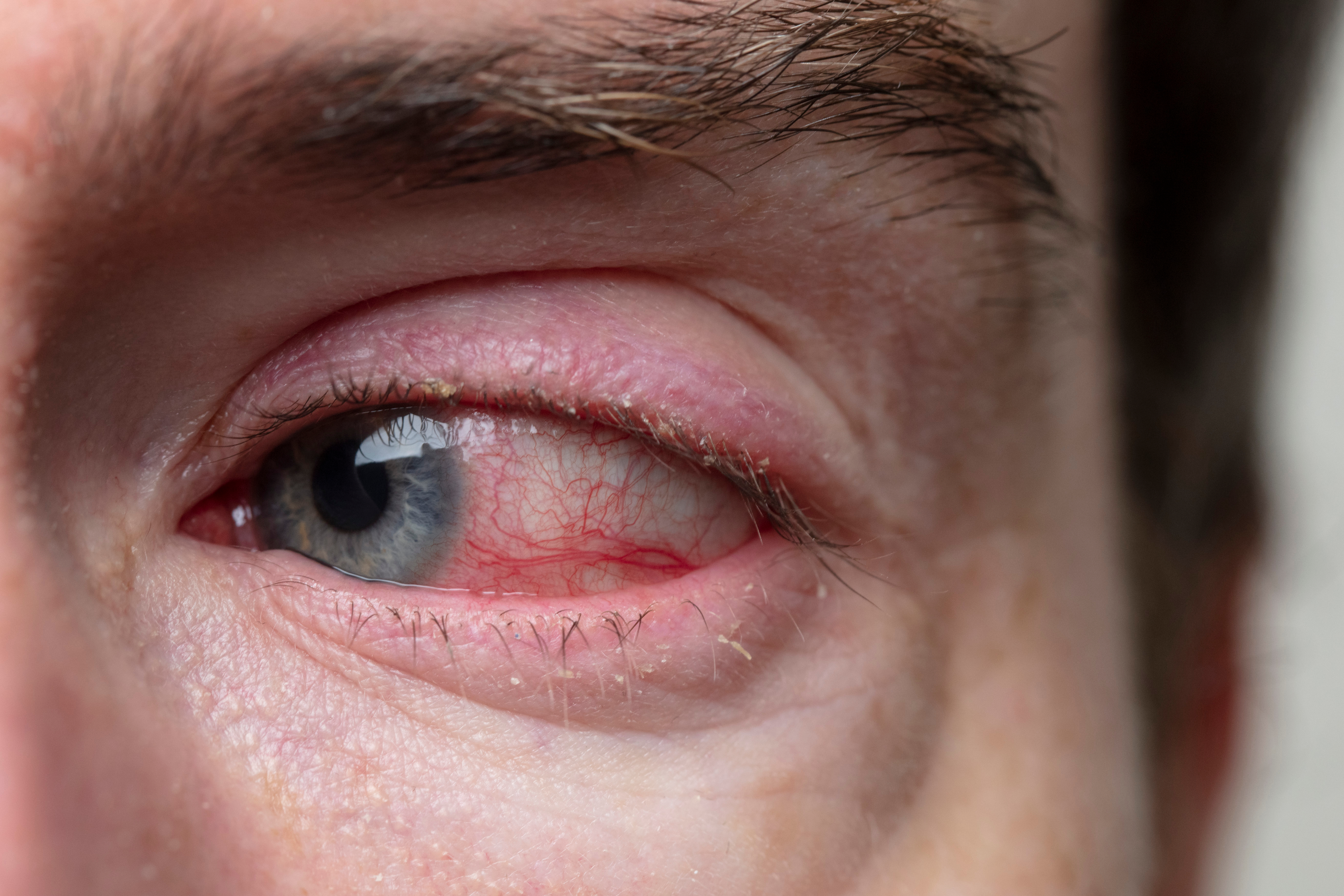
Red, irritated eyelids that keep flaring up may be more than temporary dryness or seasonal allergies. Blepharitis is a common form of chronic eyelid inflammation that can cause burning, itching, crusting around the eyelashes, and persistent eye discomfort. Because it often returns without ongoing management, identifying the cause is an important step toward keeping symptoms under control.
At Morris Eye Associates in Mendham, we provide comprehensive dry eye and ocular surface care for patients dealing with recurring irritation. Our Dry Eye Suite includes advanced treatment options designed to address different contributors to uncomfortable, inflamed eyes.
What Is Blepharitis?
Blepharitis is inflammation along the edges of the eyelids. It can affect the front portion of the eyelid near the eyelashes or the inner eyelid area where the meibomian glands produce oils for the tear film.
According to the National Eye Institute, blepharitis commonly causes red, swollen, itchy, or irritated eyelids along with crusty or dandruff-like flakes around the eyelashes. It is generally considered a chronic condition, meaning symptoms may improve and then return.
For Mendham patients, recognizing blepharitis early can help prevent a cycle of repeatedly treating irritation without addressing the eyelids themselves.
Common Signs of Chronic Eyelid Inflammation
Blepharitis symptoms can overlap with dry eye and allergies, which is why a professional eye examination can be helpful. Symptoms may include:
- Crusting or flaking around the eyelashes
- Red or swollen eyelid margins
- Burning, itching, or gritty sensations
- Watery eyes that still feel dry
- Eyelids that feel sticky in the morning
- Fluctuating or blurry vision
- Increased contact lens discomfort
Some patients also have meibomian gland dysfunction, or MGD. When the eyelid oil glands become blocked or produce poor-quality oils, tears can evaporate too quickly and worsen dry eye symptoms.
Why Blepharitis Keeps Coming Back
Blepharitis is rarely a problem that disappears permanently after one treatment. Bacteria around the eyelids, excess oils, clogged meibomian glands, skin conditions, and inflammation can all contribute to recurring symptoms.
Because the underlying cause varies, using artificial tears alone may not provide lasting improvement. Lubricating drops can reduce dryness temporarily, but they do not necessarily remove eyelid debris, improve blocked oil glands, or control chronic inflammation.
A detailed dry eye and eyelid evaluation helps determine which factors are affecting your ocular surface so treatment can be better targeted.
How Is Blepharitis Treated?
Consistent eyelid hygiene is often a foundation of blepharitis management. Warm compresses may help loosen crusting and soften meibomian gland secretions, while appropriate eyelid cleansing can reduce debris around the lashes. The American Academy of Ophthalmology also notes that some patients may need additional therapies such as artificial tears, prescription medications, or in-office procedures depending on the type and severity of blepharitis.
Patients should avoid aggressive scrubbing or experimenting with harsh cleansers around the eyes. Your eye doctor can recommend an eyelid-care routine appropriate for your condition.
When Advanced Dry Eye Care May Help
Blepharitis frequently overlaps with dry eye disease and other ocular surface disorders. When chronic inflammation or meibomian gland dysfunction is contributing to symptoms, more advanced treatment may be considered.
Morris Eye Associates offers modern dry eye and ocular surface therapies in Mendham. The practice has experience with treatments including Lumenis OptiLight, Lumenis OptiLift, and BioTissue cryopreserved amniotic membranes for appropriate patients with dry eye and ocular surface concerns. Treatment recommendations depend on your examination findings rather than using the same approach for every patient.
If crusting, redness, burning, or recurring eyelid irritation is becoming a regular problem, schedule an evaluation with Morris Eye Associates at 106B East Main St., Mendham, NJ 07945, or call (862) 222-3800 to identify what is driving your chronic blepharitis and explore personalized treatment options.


Contact Info
Phone: (862) 222-3800
Email: info@morriseyeassociates.com
Hours of Operation
- Monday 8:00am - 4:00pm
- Tuesday 9:00am - 5:00pm
- Wednesday 9:00am - 5:00pm
- Thursday 10:00am - 6:00pm
- Friday 8:00am - 4:00pm
- Saturday 8:00am - 3:00pm
- Sunday Closed
© 2026 Morris Eye Associates. All rights Reserved. Accessibility Statement - Privacy Policy - Sitemap
Powered by:
